Asphalt Repair
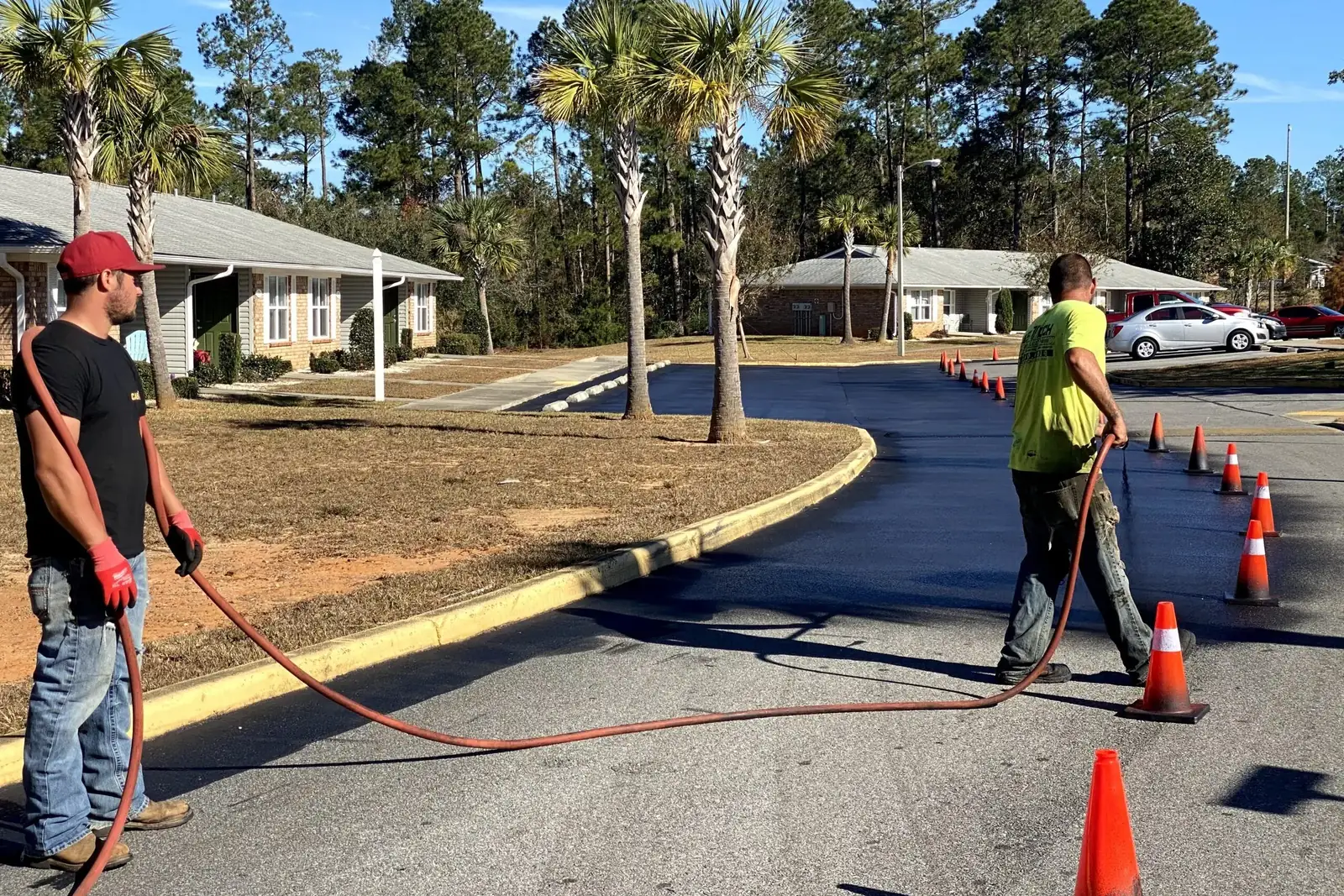
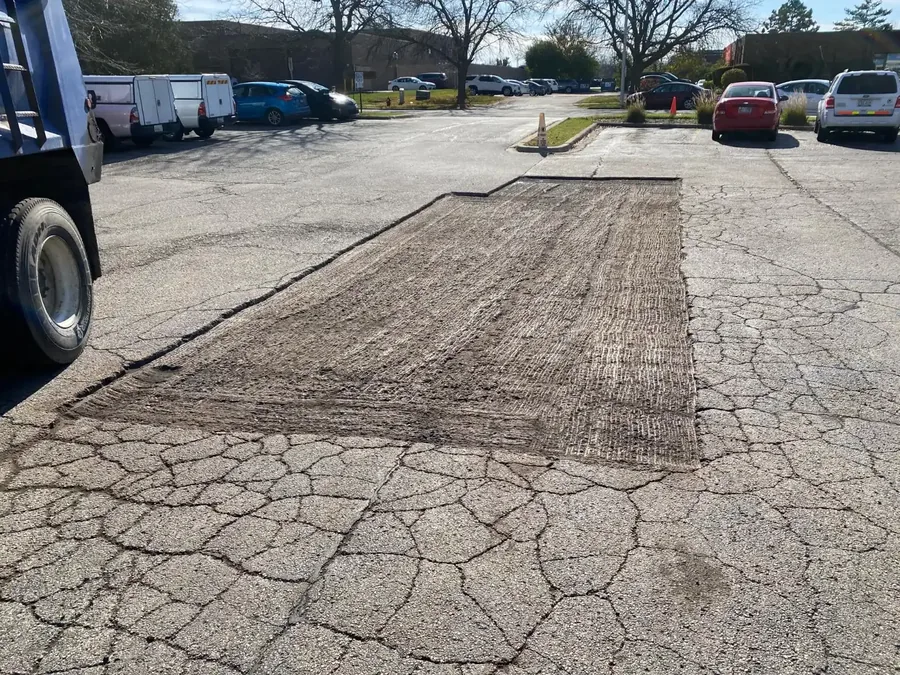
Pothole repair and asphalt patching for driveways and parking lots around Dixon. We cut each failed spot back to solid pavement and compact new hot mix in place.
Learn More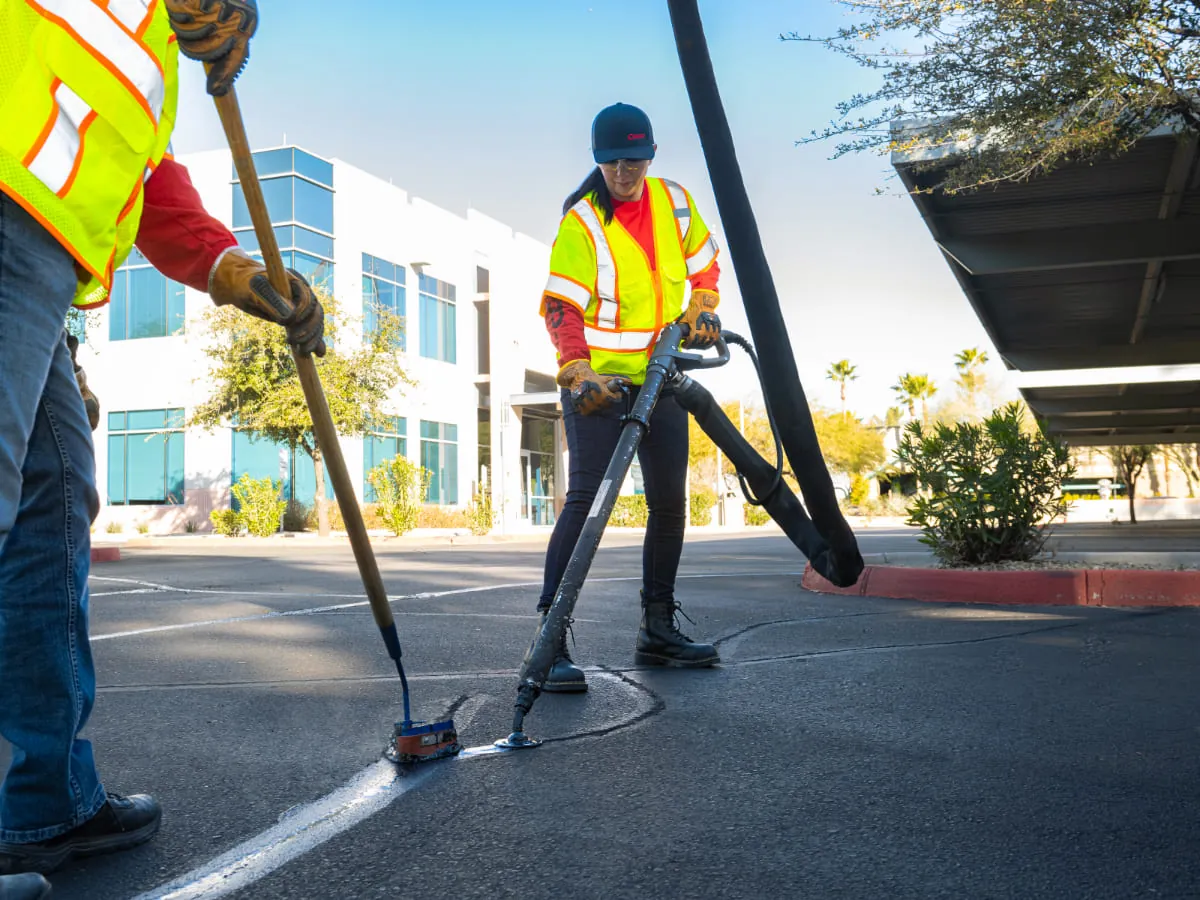
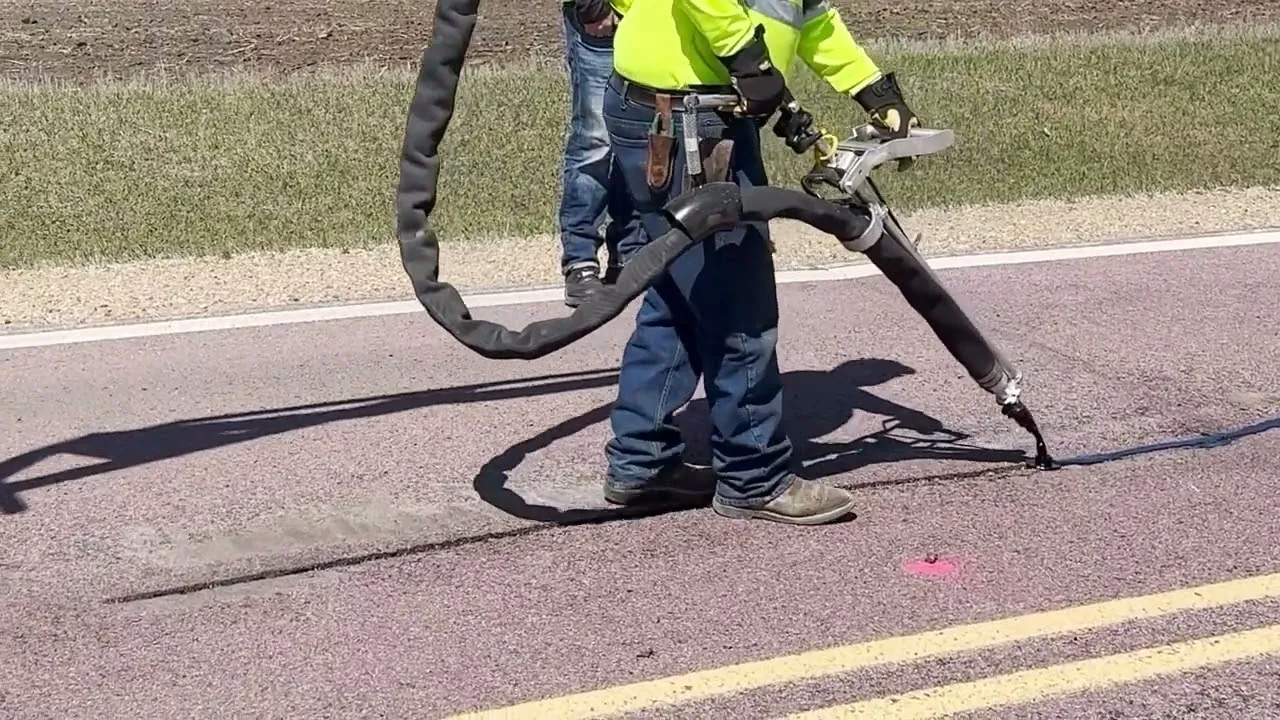
Asphalt crack sealing helps keep rain out of the base under your driveway or parking lot. Cracks give surface water a path into the pavement, and that water weakens the base below. Trinity Paving and Concrete seals and fills cracks in asphalt driveways, long rural drives and parking lots around Dixon. We clean out each crack and seal it flush with the pavement.
Sealing fits pavement that is otherwise sound. Alligator cracking, a web of cracks that looks like alligator skin, is a structural failure that sealant will not treat. Those areas go to asphalt repair, where the failed spot is cut out and the base rebuilt. Call or text (707) 396-7730, and we look at the pavement and put the quote in writing.
Tell us about the driveway, parking lot, private road or concrete work and where it is. We look at the job and put the quote in writing.
Caltrans, in its pavement maintenance guide, splits the work by how a crack moves. Working cracks open and close with the seasons, and they get crack sealing. Non-working cracks barely change width with temperature, so crack filling suits them. By the guide's account, crack sealing is generally the longer-term treatment of the two.
Width matters too. The guide typically calls for treating a crack only once it is wider than a quarter inch. Cracks wider than 1.5 inches need a specialty treatment made for wide gaps. We check crack widths when we look at the job.
On a long rural drive, watch the edges. Caltrans describes edge cracks within 2 feet of an unpaved edge, caused by heavy loads or a washed-out shoulder. It calls this cracking structural, and sealant cannot always treat it. We tell you which cracks will take a seal and which need repair.
Rock, debris, weeds and dust come out of each crack first. Caltrans names compressed air as the go-to tool for the job. Dust left in a crack weakens the sealant's bond to the crack walls. In cool, damp weather, a hot lance dries the crack and warms it before sealing.
Linear working cracks get routed next, as the Caltrans guide advises. Routing cuts a channel, called a reservoir, along the crack. A typical reservoir runs 0.5 to 1.0 inch wide and 0.5 to 1.0 inch deep. The wider channel holds more sealant, so the seal can stretch further as the crack moves.
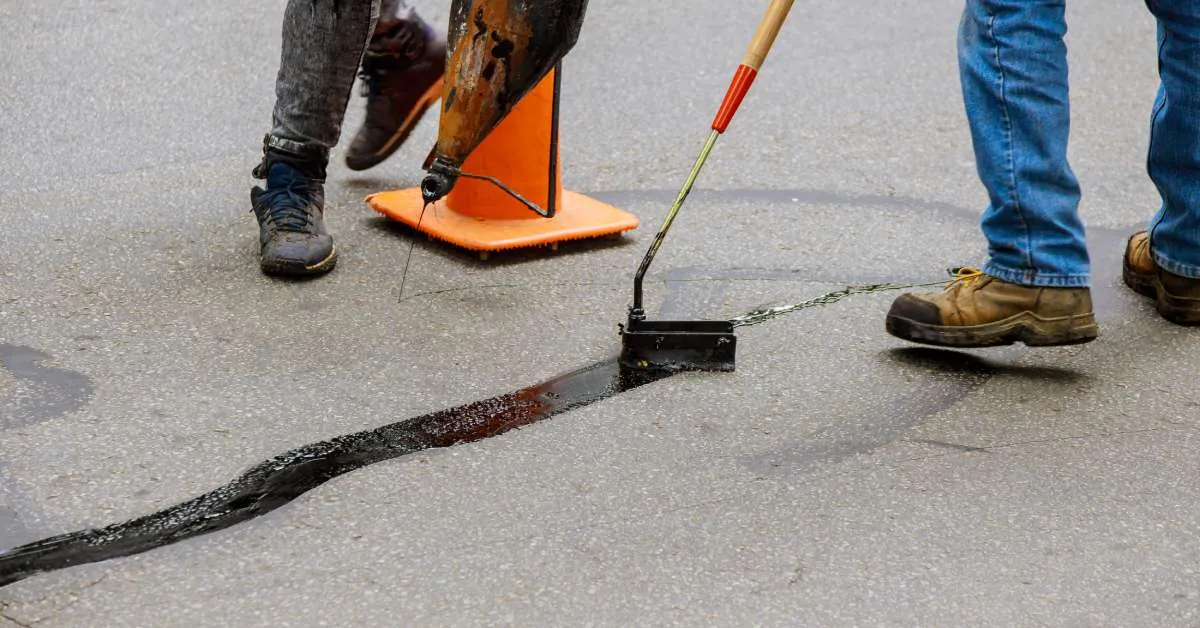
Then the sealant goes in and is squeegeed flush with the pavement. An overband is a thin band of sealant over the crack edges. Caltrans advises keeping it within 2 inches of the crack on each side. On California roads, wide overbands have meant a rough ride and a poor look.
Caltrans times crack sealing for relatively cool weather, usually in the spring or fall. A working crack then sits near the middle of its yearly range. Sealant placed at that point is not stretched or squeezed too far as the crack moves. Crack filling on non-working cracks can go on any time of year when the weather is right.
Around Dixon, we schedule fall crack sealing ahead of the wet months. At the NOAA station near Davis, 84 percent of a normal year's rain falls November through March. A crack that is not fully sealed lets water into the pavement, and that can lead to potholes. Caltrans quotes FHWA calling crack sealing the single most cost-effective preventive maintenance tool available.
Once the cracks are sealed, asphalt sealcoating can go over the driveway or lot. Bare crack sealant can look unsightly, and sealcoating evens out the color. When cracks cover the whole surface, sealing them one by one stops paying off. If the base below is still sound, asphalt resurfacing puts a new layer on top.
Call or text for a written quote. We work about 40 miles around Dixon across Solano, Yolo and Sacramento counties.
(707) 396-7730From the first call or text to the finished work, here is how it goes.
Call or text (707) 396-7730. Tell us what needs work and the town the job is in.
We come out to see the site and the surface that is there now. We also check the slope and where the water runs.
The quote comes to you in writing before any work starts. Once you say yes, we put the job on the schedule.
On a replacement, the old asphalt is torn out and hauled off first. Then the ground is graded, and base rock goes down in compacted lifts.
The hot mix asphalt is laid and rolled, or the concrete is poured and finished. Parking lots get their striping, and the site is cleaned up.
Common questions about crack sealing around Dixon and the towns of Solano, Yolo and Sacramento counties. If yours is not here, call or text and ask.
Pothole repair and asphalt patching for driveways and parking lots around Dixon. We cut each failed spot back to solid pavement and compact new hot mix in place.
Learn More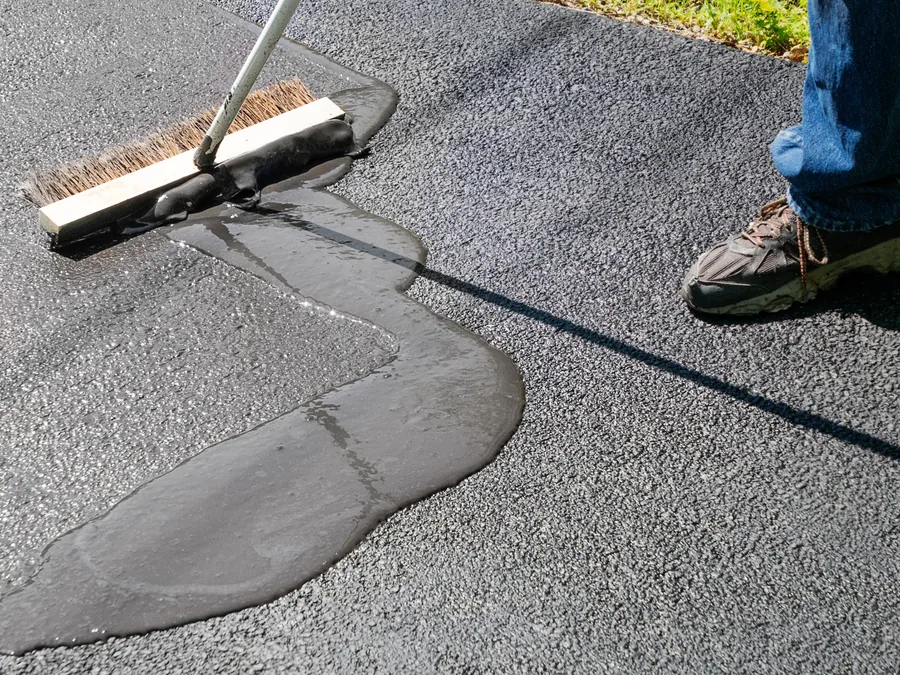
Sealcoating for driveways and parking lots, with cracks and soft spots repaired before any sealer goes down. We schedule the work ahead of the winter rain.
Learn More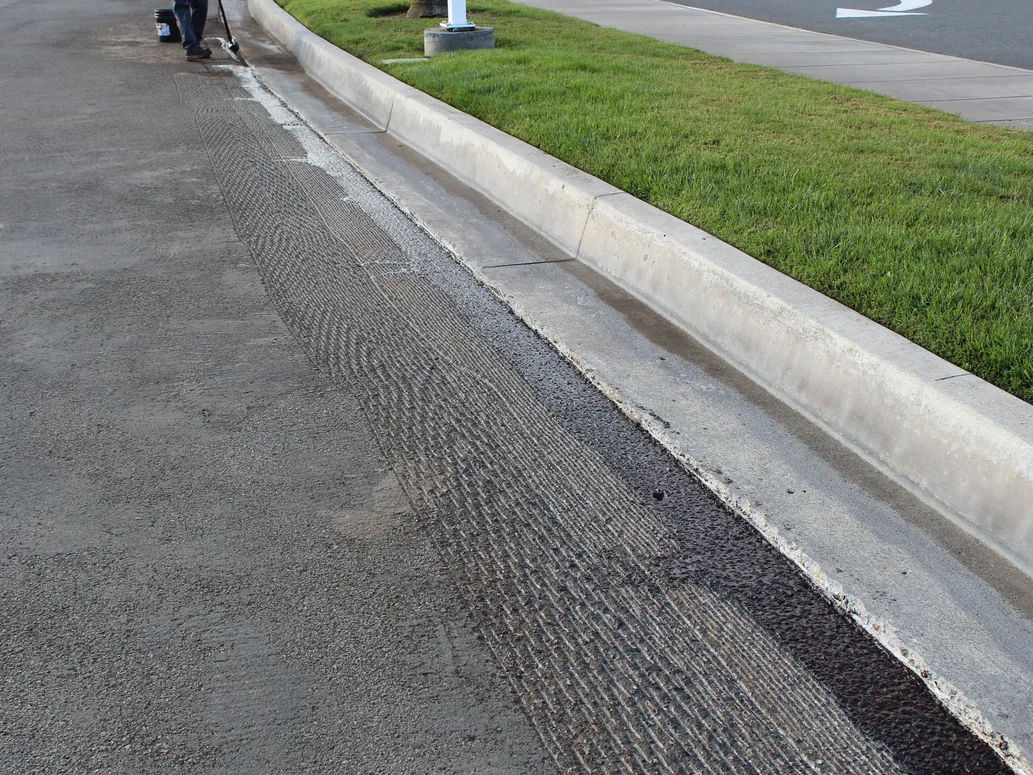
Asphalt resurfacing puts a new layer of hot mix on a driveway or parking lot with a sound base. Failed spots get cut out and patched first, and the edges get milled where the new layer meets concrete.
Learn MoreThe grading, the base, the asphalt or concrete and any retaining wall all come from us. One call covers the whole job.
Every surface we build starts on a graded and compacted base. That base matters here: some lots around Dixon sit on clay that cracks when dry and swells when wet. The grade is shaped so water sheds off, and thickness follows the load.
We come out and look at the job before we price it. The quote comes to you in writing, with the work spelled out.
We are based in Dixon, on Interstate 80 between Vacaville and Davis. Our work reaches Woodland, Sacramento, Elk Grove and Vallejo, and the farm country between them.
Tell us about the job and the town it is in. Call or text (707) 396-7730 or use the form, and we will get back to you.
Tell us about the driveway, parking lot, private road or concrete work and where it is. We look at the job and put the quote in writing.